More than 80 percent of successful British digital entrepreneurs credit a well targeted email list as their most valuable asset. Without a clear understanding of your niche and audience, even the best marketing campaigns often fall flat. Whether you are offering digital courses or exclusive templates, learning how to define your ideal subscriber sets the stage for every growth strategy that follows and empowers you to attract the right audience from the start.
Table of Contents
- Step 1: Define Your Niche And Ideal Subscriber
- Step 2: Set Up A Reliable Email Marketing Platform
- Step 3: Create And Offer Compelling Lead Magnets
- Step 4: Optimise Landing Pages For Maximum Conversions
- Step 5: Test And Refine Your Email List Building Process
Quick Summary
| Key Point | Explanation |
|---|---|
| 1. Define your niche carefully | Identify your ideal subscriber’s struggles and aspirations to craft tailored content that addresses their specific needs. |
| 2. Choose a reliable email platform | Select an email marketing platform that offers features like automation and security to facilitate efficient audience engagement. |
| 3. Develop compelling lead magnets | Create valuable free resources that solve specific problems for your audience to entice email sign-ups. |
| 4. Optimise landing pages for conversion | Design focused landing pages with clear value propositions to maximise email subscription rates through effective layout and messaging. |
| 5. Continuously test and refine strategies | Implement systematic A/B testing and monitor performance metrics to enhance your email list growth and subscriber engagement over time. |
Step 1: Define your niche and ideal subscriber
In this critical phase of building your email list, you will pinpoint the exact audience segment most likely to engage with your digital offerings. Understanding your niche isn’t just about identifying what you sell – it’s about recognising precisely who wants what you’re creating.
Start by mapping out your unique value proposition through deep audience research. Look beyond demographic basics like age or location. Investigate the psychographic details: what challenges does your ideal subscriber face? What aspirations drive them? What specific problems can your digital products solve? Researchers exploring digital audience gratification patterns suggest that understanding audience motivations goes far deeper than surface level characteristics.
To crystallise your niche, create a detailed subscriber persona. Write down specific attributes: Are they aspiring entrepreneurs? Digital product creators? Online marketers seeking automation tools? The more precisely you can describe your ideal subscriber, the more effectively you can craft targeted content and offerings that speak directly to their needs.
Professional insight: Create a one-page description of your ideal subscriber as if you are writing about a real person – give them a name, describe their daily challenges, and outline exactly how your digital products will transform their professional journey.
Step 2: Set up a reliable email marketing platform
In this crucial step, you will select and configure an email marketing platform that provides robust features to manage, grow, and engage your digital audience effectively. Your chosen platform will serve as the central hub for all your email list communication strategies.

When evaluating potential platforms, prioritise systems with comprehensive features that streamline your marketing efforts. Advanced email management systems offer sophisticated tools for sending, monitoring, and organising email communications. Look for platforms that provide intuitive subscriber segmentation, automated email sequences, detailed analytics, and strong deliverability rates.
Secure platforms are paramount. Modern email marketing requires more than just sending messages – it demands robust communication security protocols that protect both your data and your subscribers’ information. Consider platforms offering encrypted communication, spam reduction mechanisms, and comprehensive data protection features.
Professional insight: Test at least three different email marketing platforms using their free trials before committing. Create sample campaigns, evaluate user experience, and assess how seamlessly each platform integrates with your existing digital infrastructure.
To help you select an effective email marketing platform, consider this feature summary and its business impact:
| Feature | Description | Business Impact |
|---|---|---|
| Subscriber Segmentation | Ability to group contacts by criteria | Enables targeted campaigns |
| Automated Email Sequences | Sends emails based on set triggers | Saves time and personalises outreach |
| Analytics and Reporting | Tracks opens, clicks, and conversions | Informs strategy using real data |
| Security and Data Protection | Encryption and privacy safeguards | Builds trust and meets regulations |
Step 3: Create and offer compelling lead magnets
In this critical stage, you will develop irresistible free resources that attract potential subscribers and demonstrate your unique value proposition. Lead magnets are strategic tools designed to transform casual website visitors into engaged email list members.
Permission-based email marketing strategies emphasise creating content that genuinely serves your audience’s needs. Your lead magnet should solve a specific problem or provide actionable insights that your ideal subscribers desperately want. Consider options like detailed PDF guides, mini video courses, exclusive checklists, calculators, templates, or research reports that address precise pain points within your chosen niche.
When crafting your lead magnet, focus on strategic executional elements that enhance perceived value and encourage immediate download. Pay attention to design quality, clear formatting, and a compelling title that immediately communicates the benefit. Your lead magnet should feel like a premium resource readers would gladly pay for, yet you are offering it freely in exchange for their email address.
Professional insight: Create multiple lead magnets targeting different segments of your audience, allowing you to segment your email list more effectively and provide increasingly personalised content experiences.
Here’s a quick comparison of popular lead magnet types and their advantages:
| Lead Magnet Type | Audience Appeal | Best Use Case |
|---|---|---|
| PDF Guide | High for detailed learners | Step-by-step frameworks |
| Video Mini-Course | Visual and interactive audience | Explaining complex topics clearly |
| Checklist or Template | Busy professionals | Quick wins and actionable results |
| Research Report | Analytical subscribers | Industry insights and trends |
Step 4: Optimise landing pages for maximum conversions
In this crucial stage, you will transform your landing pages into high-performance conversion machines that efficiently capture email subscribers and build your digital audience. Your landing page represents the critical gateway between potential subscribers and your email list.

Research on organisational online engagement highlights the profound impact of strategic page design in converting visitor interest. Focus on creating a clean, distraction-free layout with a single compelling value proposition. Your headline must immediately communicate the benefit of subscribing, while your lead magnet description should clearly articulate the specific problem it solves for your audience. Implement strategic visual hierarchies that guide the visitor’s eye directly towards your email signup form.
To maximise conversion potential, incorporate semantic data strategies that enhance user engagement and predictability. This means crafting concise, benefit-driven copy that speaks directly to your ideal subscriber’s pain points. Utilise high-contrast call-to-action buttons, minimise form fields to reduce friction, and include trust signals like testimonials or subscriber count to build immediate credibility.
Professional insight: A/B test your landing page elements ruthlessly. Small changes in headline, button colour, or form placement can dramatically increase conversion rates, sometimes by 20% or more.
Step 5: Test and refine your email list building process
In this strategic phase, you will implement systematic measurement and continuous improvement techniques to optimise your email list growth and subscriber engagement. Your goal is to transform raw data into actionable insights that progressively enhance your list building performance.
Research on email marketing practices underscores the critical importance of ongoing testing and refinement. Track key performance indicators such as signup conversion rates, lead magnet download percentages, and subscriber retention. Implement rigorous A/B testing across multiple variables including landing page designs, headline copy, signup form placements, and lead magnet offerings. Each test should target a specific metric and generate clear, measurable results that inform your strategic adjustments.
To distinguish genuine engagement from potential spam interactions, analyse email traffic metrics that indicate authentic subscriber behaviour. Monitor metrics like email open rates, click through rates, and subscriber interaction patterns. Create segmentation strategies that allow you to identify and nurture high quality subscribers while gradually removing inactive or low engagement contacts from your list.
Professional insight: Set up automated tracking dashboards that provide real time performance data, enabling you to make swift, informed decisions about your email list building strategies.
Unlock Your Email List Building Potential with Practical Tools from Steve Pritchard Online
Building an engaged email list is essential for digital selling success but understanding your ideal subscriber and crafting irresistible lead magnets can feel overwhelming. This article highlights key challenges like defining your niche, designing conversion-optimised landing pages, and continuously refining your strategy. If you want to move beyond theory and take actionable steps, our Marketing – Steve Pritchard Online collection offers beginner-friendly, done-for-you solutions designed to save you time and reduce frustration.
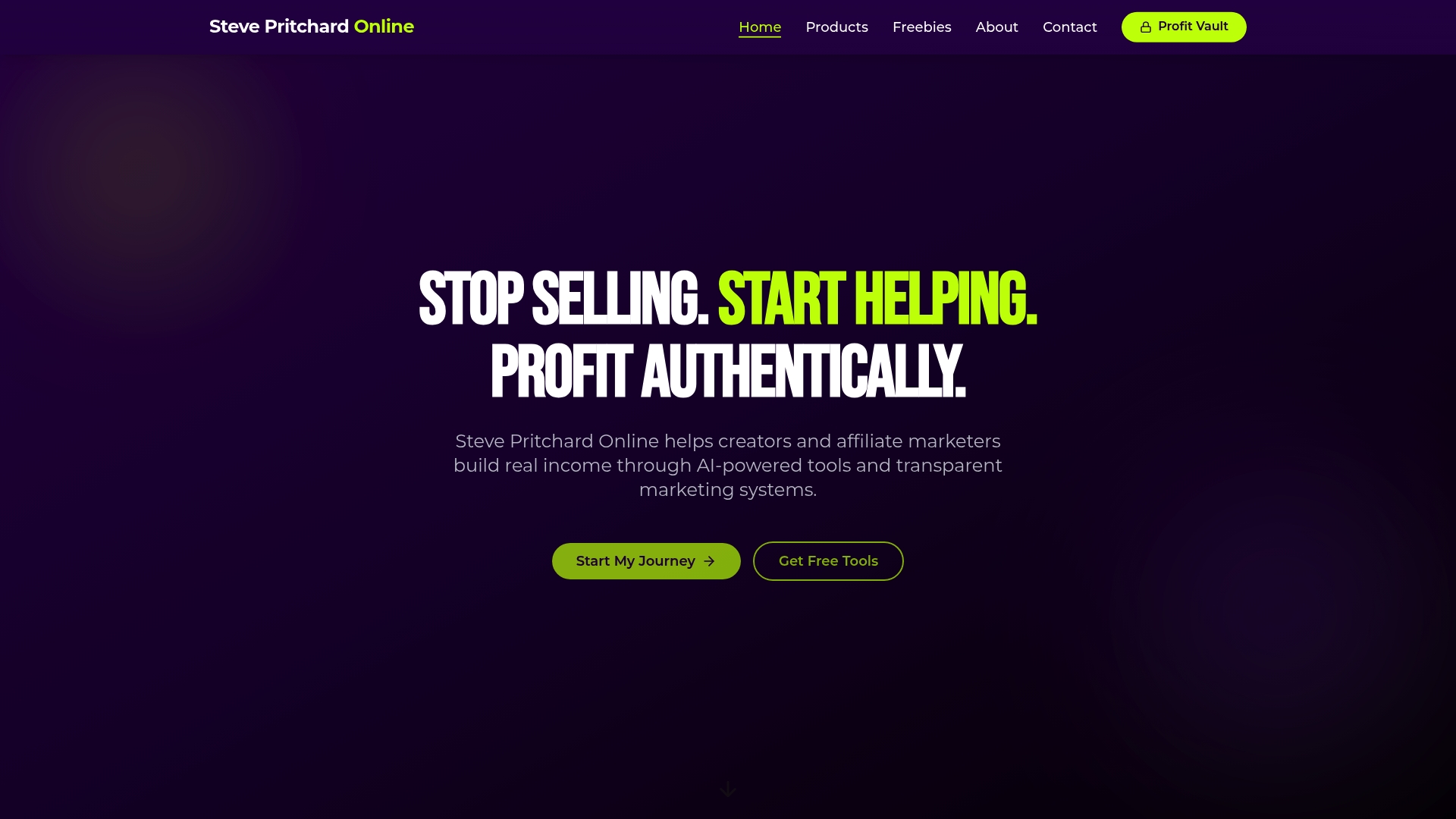
Don’t let complexity hold you back from growing your email list effectively. Explore practical marketing templates, lead-generation assets, and quick-start digital kits at Steve Pritchard Online that help you automate and accelerate your list building journey. Start transforming casual visitors into loyal subscribers today by visiting our home page and dive into resources tailored to your goals now.
Frequently Asked Questions
How can I define my niche for building an email list?
To define your niche, conduct thorough audience research to identify who is most likely to engage with your digital offerings. Create a detailed subscriber persona including their challenges and aspirations to inform your content creation.
What features should I look for in an email marketing platform?
Seek an email marketing platform that offers subscriber segmentation, automated email sequences, detailed analytics, and strong security features. Prioritise platforms that allow you to manage your audience effectively and ensure high deliverability rates.
What types of lead magnets are most effective for attracting subscribers?
Effective lead magnets include PDF guides, mini video courses, and actionable templates that directly address your target audience’s pain points. Choose a type that resonates with your niche to encourage immediate signups and engagement.
How do I optimise my landing pages for better email signups?
To optimise landing pages, focus on a clean layout with a clear value proposition and minimal distractions. Use compelling headlines and a strong call to action to drive conversions, ensuring that the email signup form is prominently displayed.
What metrics should I track to refine my email list building process?
Track key performance indicators like signup conversion rates, lead magnet downloads, and subscriber retention. Regularly assess these metrics to identify areas for improvement and make data-driven decisions, aiming for measurable increases in performance over time.
How can I engage and nurture my email subscribers effectively?
Engage your subscribers by providing tailored content based on their interests and interactions. Regularly segment your email list and send personalised emails to keep your audience engaged, aiming to reduce unsubscribes by ~20% over the next few months.