Most british entrepreneurs underestimate the power of practical content promotion. With over 4.6 billion active social media users worldwide, missing these channels means losing out on thousands of digital product buyers. Effective online marketing can be simpler—and more automated—than most beginners expect. This guide reveals streamlined methods to multiply your reach, build lasting connections, and automatically generate sales using strategies anyone can master.
Table of Contents
- Leverage Social Media For Quick Exposure
- Utilise Email Marketing To Reach Your Audience
- Collaborate With Influencers For Wider Reach
- Submit Content To Niche Communities And Forums
- Repurpose Content For Multiple Platforms
- Optimise For Search Engines (Seo Basics)
- Automate Sharing With Simple Digital Tools
Quick Summary
| Key Message | Explanation |
|---|---|
| 1. Utilise social media strategically | Tailor content for each platform like LinkedIn, X/Twitter, and Instagram to engage target audiences effectively. |
| 2. Implement effective email marketing | Build a quality email list and maintain personal communication for high engagement and relationships with subscribers. |
| 3. Collaborate with micro influencers | Partner with engaged influencers for authenticity and wider reach, focusing on mutually beneficial relationships. |
| 4. Engage in niche communities | Share content in relevant forums while respecting community guidelines to connect with highly interested audiences. |
| 5. Repurpose content thoughtfully | Transform existing content into various formats to maximise reach across diverse platforms, ensuring tailored adaptations. |
1. Leverage Social Media for Quick Exposure
Social media platforms are powerful tools for rapidly expanding content visibility and engaging potential audiences. By strategically utilising platforms like LinkedIn, X/Twitter, and Instagram, content creators can dramatically increase their digital reach.
The key to successful social media content promotion lies in understanding platform-specific nuances and tailoring your approach accordingly. Researchers recommend developing a targeted social media strategy that focuses on clear objectives and audience engagement.
Start by identifying which platforms your target audience frequents most. Each social network has unique characteristics: LinkedIn works well for professional content, X/Twitter enables rapid information sharing, and Instagram thrives on visual storytelling. Create platform-specific content that resonates with each audience segment.
Visual content dramatically increases engagement. Design eye-catching graphics, short video clips, or infographics that summarise your key messages. These visual elements capture attention faster than text alone and encourage sharing, expanding your potential reach.
Utilise relevant hashtags strategically to improve discoverability. Research popular hashtags within your niche and incorporate them naturally into your posts. This approach helps your content appear in targeted searches and connects you with interested communities.
Encourage audience interaction by asking questions, running polls, or inviting comments. Engagement signals boost your content’s algorithmic visibility and help build a community around your work.
Pro tip: Schedule your social media posts during peak engagement times using analytics tools to maximise visibility and interaction with your target audience.
2. Utilise Email Marketing to Reach Your Audience
Email marketing remains one of the most powerful and direct channels for connecting with potential audiences and nurturing relationships with existing followers. Unlike social media platforms where algorithms control visibility, email provides a personal communication pathway directly into your audience’s inbox.
Digital marketing professionals emphasise email’s remarkable return on investment and precise targeting capabilities, making it an essential strategy for content promotion. By building a quality email list, you create a dedicated community of individuals genuinely interested in your content.
Begin by selecting a reliable email marketing platform that offers robust features like segmentation, automation, and detailed analytics. These tools enable you to categorise subscribers based on interests, behaviours, and engagement levels, allowing for highly personalised communication.
Craft compelling subject lines that entice recipients to open your emails. Your subject line serves as the first point of interaction, so make it concise, intriguing, and reflective of the email’s actual content. Avoid clickbait tactics and focus on delivering genuine value.
Personalisation goes beyond simply inserting a subscriber’s name. Develop content that speaks directly to specific audience segments, addressing their unique challenges, interests, and aspirations. Segmented and targeted emails consistently demonstrate higher engagement rates compared to generic broadcasts.
Implement an effective email sequence that guides subscribers through a meaningful journey. This might include a welcome series, educational content, promotional offers, and re-engagement campaigns. Maintain a balanced frequency that keeps your audience informed without overwhelming their inbox.
Pro tip: Regularly clean your email list by removing inactive subscribers to maintain high deliverability rates and ensure your analytics reflect genuine audience engagement.
3. Collaborate with Influencers for Wider Reach
Influencer collaborations represent a powerful strategy for expanding your content’s visibility and reaching new audience segments. By partnering with individuals who already command attention in your niche, you can dramatically accelerate your content’s potential impact.
Strategic influencer partnerships require careful planning and targeted selection of content creators who align with your brand’s values and audience demographics. Not all influencers will be suitable partners tracking their genuine engagement rates and audience relevance is crucial.
Begin by identifying micro influencers within your specific content domain. These creators typically have smaller but highly engaged audiences and often demonstrate more authentic connections with their followers. Look for individuals who consistently produce high quality content and demonstrate genuine expertise in your field.
When approaching potential collaborators, focus on creating mutually beneficial partnerships. Develop compelling collaboration proposals that highlight how working together can provide value for both parties. This might involve co-creating content, hosting joint webinars, cross promoting on social platforms, or developing unique collaborative projects.
Draft clear creative briefs that outline expectations, deliverables, timelines, and key performance indicators. Transparent communication helps prevent misunderstandings and ensures both parties understand the collaboration’s objectives and anticipated outcomes.
Consider various collaboration formats such as guest blogging, podcast interviews, Instagram takeovers, joint livestreams, or collaborative research projects. Each format offers unique opportunities to showcase expertise and reach new audiences while providing genuine value to viewers.
Pro tip: Prioritise building genuine relationships with influencers rather than treating collaborations as transactional exchanges, as long term partnerships often yield more sustainable content promotion results.
4. Submit Content to Niche Communities and Forums
Niche communities and specialist forums represent powerful platforms for targeted content distribution, allowing creators to connect directly with highly engaged audiences interested in specific topics. These digital spaces offer unprecedented opportunities to showcase expertise and build meaningful connections.
Identifying and participating in relevant online communities requires strategic approach and genuine engagement, focusing on adding genuine value rather than purely self promotional tactics.
Begin by researching forums specific to your content domain. Platforms like Reddit, specialised Facebook groups, LinkedIn professional networks, and topic specific Discord servers provide excellent opportunities for targeted content sharing. Each community has unique guidelines and unwritten rules understanding these is crucial for successful participation.
Prioritise contributing meaningful commentary and insights before sharing your own content. Build reputation by consistently offering helpful answers, asking intelligent questions, and demonstrating authentic expertise. This approach establishes credibility and increases the likelihood of your submissions being well received.
When sharing content, craft platform specific introductions that highlight the unique value proposition for that particular community. Explain precisely how your content addresses specific challenges or interests relevant to forum members. Avoid generic copy paste approaches tailored communication yields significantly better results.
Understand each platform guidelines regarding self promotion. Some communities welcome content submissions while others have strict rules about linking to external resources. Always read and respect community standards to prevent potential account restrictions.
Pro tip: Create a spreadsheet tracking different community guidelines, optimal posting times, and engagement metrics to systematically manage your niche forum content promotion strategy.
5. Repurpose Content for Multiple Platforms
Content repurposing is a strategic approach that transforms existing materials into diverse formats, enabling creators to maximise reach and engagement across different audience segments. By thoughtfully adapting content, you can breathe new life into your existing resources without creating entirely new material.
Effective content repurposing requires understanding platform specific nuances and audience preferences, going far beyond simple copy pasting or cross posting.
Begin by conducting a comprehensive audit of your existing content. Identify high performing pieces that offer substantial value and have potential for multiple format adaptations. A long form blog post might be transformed into infographics, short social media clips, podcast episodes, email newsletters, or presentation slides.
Consider the unique consumption habits of different platforms. A YouTube video could be distilled into bite sized Instagram reels, a podcast transcript could become a blog article, and key statistical insights might work brilliantly as LinkedIn carousel posts. Each platform demands a tailored approach that respects its specific audience and engagement mechanisms.
Pay close attention to visual adaptation. Graphics, charts, and illustrative elements should be redesigned to match each platform aesthetic. An infographic for LinkedIn will differ significantly from an Instagram story graphic both in dimensions and design complexity.
Track performance metrics across repurposed content to understand which adaptations resonate most effectively with your audience. This data driven approach allows continuous refinement of your content strategy, ensuring you invest energy in formats that genuinely connect with your viewers.
Pro tip: Create a systematic content repurposing workflow using a spreadsheet that tracks original content, potential adaptations, platform requirements, and performance metrics to streamline your multi platform content strategy.
6. Optimise for Search Engines (SEO Basics)
Search engine optimization represents a critical strategy for increasing content visibility and attracting organic traffic to your digital assets. Understanding fundamental SEO principles enables creators to make their content more discoverable and appealing to both search algorithms and human readers.
Strategic SEO implementation requires understanding how search engines evaluate and rank digital content, focusing on multiple interconnected elements that contribute to overall website performance.
Keyword research forms the foundation of effective SEO. Begin by identifying terms and phrases your target audience actively searches for using tools like Google Keyword Planner or SEMrush. Focus on long tail keywords with moderate search volume and lower competition that precisely match user intent.
Optimise your content structure by incorporating target keywords naturally within critical areas such as page titles, headings, first paragraphs, and meta descriptions. Avoid keyword stuffing instead aim for contextually appropriate integration that reads smoothly and provides genuine value to readers.
Technical elements play a crucial role in search ranking. Ensure your website loads quickly, operates smoothly on mobile devices, and maintains a clear navigational structure. Google prioritises websites that offer seamless user experiences across different platforms and screen sizes.
Create high quality content that comprehensively addresses user questions and provides unique insights. Search engines increasingly reward in depth informative content that demonstrates expertise, authority, and trustworthiness within specific subject domains.
Pro tip: Regularly audit your content using free SEO tools to identify optimization opportunities and track your website’s search performance metrics systematically.
7. Automate Sharing with Simple Digital Tools
Digital automation tools offer content creators powerful mechanisms to streamline sharing processes, maximise reach, and maintain consistent online presence without consuming excessive time and energy. By strategically leveraging technological solutions, you can transform content distribution from a manual chore into an efficient, systematic approach.
Researchers are increasingly adopting AI-powered tools to manage and amplify their digital content sharing strategies, enabling more strategic and widespread distribution.
Begin by exploring scheduling platforms like Hootsuite, Buffer, or Sprout Social that allow you to plan and automate social media posts across multiple channels. These tools enable you to create content batches, set precise publishing times, and maintain a consistent online presence without constant manual intervention.
Utilise RSS feed aggregators and content syndication tools to automatically distribute your blog posts, podcast episodes, or video content to various platforms. Tools like IFTTT and Zapier can create seamless workflows that push your content to different networks simultaneously, reducing repetitive manual sharing tasks.
Consider implementing AI assisted content repurposing tools that can transform a single piece of content into multiple formats. A long form article might be automatically converted into social media graphics, short video scripts, or email newsletter segments, dramatically expanding your content’s potential reach.
Integrate analytics tracking within your automation workflow. Most scheduling platforms offer built in performance metrics that help you understand which automated posts generate maximum engagement, allowing continuous refinement of your sharing strategy.
Pro tip: Create a master content calendar that maps out your automation workflows, ensuring you maintain a balanced and strategic approach to digital content distribution.
Below is a comprehensive table summarising the strategies and approaches detailed in the article for effectively promoting content across versatile platforms.
| Strategy | Key Actions | Expected Outcomes |
|---|---|---|
| Leverage Social Media for Quick Exposure | Identify target platforms, tailor content formats, utilise hashtags strategically, engage audience interaction, and schedule posts during peak times. | Enhanced visibility, audience engagement, and extended content reach. |
| Utilise Email Marketing | Build a segmented email list, craft engaging subject lines, personalise content, and maintain an effective email sequence. | Strengthened subscriber relationships and precise audience targeting. |
| Collaborate with Influencers | Select relevant micro-influencers, establish mutually-beneficial collaborations, and explore diverse formats for cooperative content. | Expanded reach to new audience segments and increased credibility through trusted voices. |
| Submit Content to Niche Communities | Research relevant forums, contribute valuable insights, craft tailored introductions, and adhere to platform guidelines. | Direct engagement with an interested audience and increased content relevancy and credibility. |
| Repurpose Content for Multiple Platforms | Review existing high-performing content and adapt it to various formats and platform demands, including social media, newsletters, and videos. | Maximised content utility and access to different audience demographics. |
| Optimise for Search Engines (SEO) | Implement keyword research, empower content with optimised headings and meta descriptions, ensure technical site performance, and provide comprehensive answers. | Improved organic traffic and content discoverability in search engines. |
| Automate Sharing with Simple Digital Tools | Explore scheduling and syndication tools like Hootsuite or Sprout Social, utilise RSS feed aggregators, implement AI-assisted content tools, and track analytics. | Streamlined distribution processes, consistent digital presence, and data-driven strategy refinement. |
This table encapsulates the essential methods for effective content promotion as presented in the article.
Boost Your Content Promotion with Practical Tools
Struggling to turn your content promotion strategies into real results? This article highlights the common challenges of creating engaging social media posts, automating sharing, and repurposing content effectively. If you want to overcome these obstacles without feeling overwhelmed or wasting time on complicated methods, discovering the right tools is key. Imagine having ready-made marketing templates, AI-powered content tools, and lead-generation assets designed specifically for beginners like you.
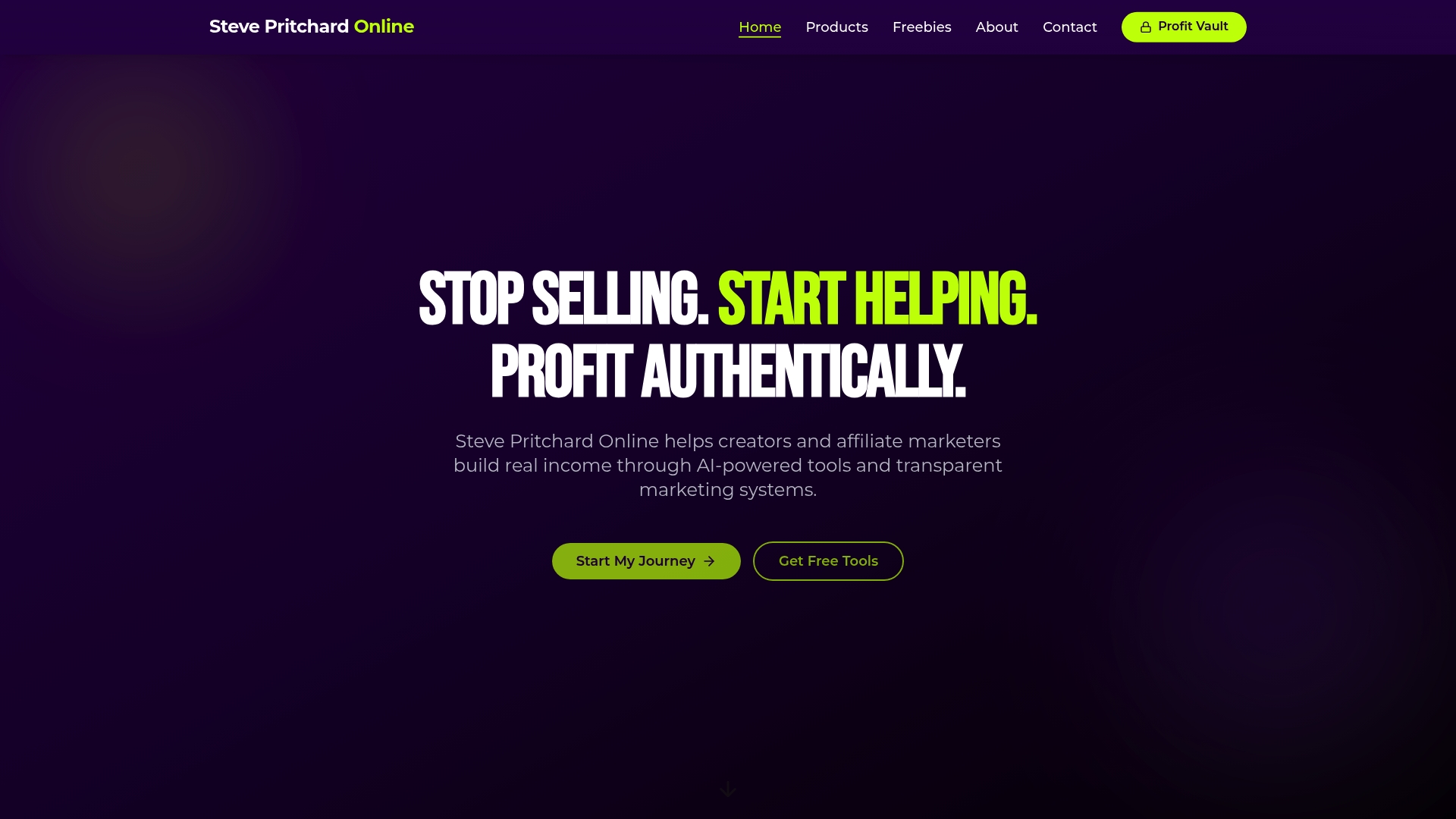
Ready to make content promotion simpler and more effective? Explore the Marketing – Steve Pritchard Online collection, where you will find beginner-friendly resources built to help you start, grow, and automate your online presence. Visit Steve Pritchard Online today and access practical solutions that remove the guesswork from your digital marketing journey. Take control of your content promotion now and start seeing real engagement and growth.
Frequently Asked Questions
What are effective strategies for promoting content on social media?
Utilise social media platforms like LinkedIn, X/Twitter, and Instagram by tailoring your content for each platform. Start by identifying where your target audience is most active and create engaging visuals or posts that resonate with them.
How can I build an effective email marketing list for content promotion?
Focus on gathering a quality email list from individuals genuinely interested in your content. Offer valuable incentives like informative resources or newsletters to motivate sign-ups and ensure you segment your audience for targeted communication.
What steps should I take to collaborate with influencers?
Identify micro-influencers in your niche who align with your brand values and have engaged audiences. Approach them with collaboration proposals that outline mutual benefits, such as co-creating content or hosting joint events.
How can I effectively share my content in niche communities?
Research relevant online communities and forums related to your topic, and start participating by providing valuable insights before sharing your content. Craft specific introductions that highlight how your content addresses the community’s interests, following their guidelines to ensure positive reception.
What is the best way to repurpose existing content?
Conduct an audit of your high-performing content and identify formats for repurposing, such as transforming a blog post into an infographic or a video. Adapt your content for different platforms while ensuring it maintains its value and relevance to each audience.
How can I optimise my content for search engines?
Focus on keyword research to identify terms your audience is searching for, and incorporate them naturally into your content. Ensure that your website is technically sound by maintaining fast load times and mobile responsiveness to improve your search rankings.
Recommended
- Products – AI-Powered Marketing Tools | Steve Pritchard Online
- ContentBlitz AI – Create SEO-Optimized Content in 1-Click
- Sales Page – Steve Pritchard Online
- Sales Page – Steve Pritchard Online
- 10 Essential Tips for Your Content Marketing Checklist
- 7 Essential Types of Marketing Strategies for Business Growth – Jarrod Harman