Over 60 percent of businesses in the British market rely on automated email sequences to nurture customer relationships and drive conversions. As digital communication becomes increasingly sophisticated, mastering these strategies is no longer optional for marketers aiming to stand out. This guide breaks down the essential principles behind email sequences, showing how targeted automation and thoughtful personalization can lead to higher engagement and stronger results.
Table of Contents
- Definition And Core Concepts Of Email Sequences
- Key Types Of Email Sequences Explained
- How Automated Sequences Drive Engagement
- Essential Elements For Effective Campaigns
- Common Mistakes And How To Avoid Them
Key Takeaways
| Point | Details |
|---|---|
| Understanding Email Sequences | Email sequences are automated, targeted communication strategies that enhance customer engagement and drive specific actions based on subscriber behaviour. |
| Types of Email Sequences | Various email sequence types, such as onboarding, lead nurturing, and abandoned cart sequences, cater to different stages of the customer journey, focusing on tailored communication. |
| Effective Communication Elements | Compelling subject lines, personalised greetings, and clear calls to action are essential for creating effective email sequences that foster engagement and build relationships. |
| Avoiding Common Pitfalls | Marketers should avoid overwhelming frequency, generic messaging, and neglecting segmentation to ensure their email campaigns remain effective and purposeful. |
Definition and Core Concepts of Email Sequences
An email sequence represents a strategic communication approach enabling businesses to deliver automated, targeted messages to subscribers based on specific triggers or predefined conditions. These carefully crafted message series transform standard email communication into a dynamic, personalised marketing tool that guides potential customers through deliberate engagement pathways.
The fundamental purpose of email sequences centres on nurturing relationships and driving specific actions. Drip campaigns allow marketers to create systematic communication flows that adapt to individual subscriber behaviours and interactions. These automated email strategies can serve multiple objectives, including:
- Welcoming new subscribers
- Onboarding potential customers
- Educating prospects about products
- Recovering abandoned shopping carts
- Re-engaging dormant audience members
Understanding email sequences requires recognising their core mechanism of automation and personalisation. Unlike traditional email marketing, which broadcasts identical messages to entire lists, these sequences dynamically adjust content based on specific user actions, preferences, and engagement levels. By segmenting audiences and creating targeted communication pathways, businesses can deliver more relevant, timely, and compelling messages that resonate with individual recipients.
Successful email sequences function like a sophisticated digital conversation, anticipating subscriber needs and guiding them seamlessly through various stages of awareness, consideration, and conversion. The strategic deployment of these automated communication tools enables entrepreneurs and marketers to build meaningful connections, provide value, and ultimately drive desired business outcomes with remarkable efficiency.
Key Types of Email Sequences Explained
Email sequences represent a diverse array of strategic communication tools, each designed to accomplish specific marketing objectives. Various sequence types enable businesses to craft targeted, purposeful communication strategies that address different stages of the customer journey and engagement lifecycle.
The primary categories of email sequences include:
- Onboarding Sequences: Designed to welcome and introduce new subscribers or customers to a brand, product, or service
- Lead Nurturing Sequences: Tailored communication pathways that guide potential customers through their decision-making process
- Re-engagement Sequences: Strategic messages aimed at reconnecting with inactive subscribers or customers
- Abandoned Cart Sequences: Targeted emails to recover potential lost sales by reminding customers about products left in their shopping cart
- Educational Sequences: A series of informative emails providing valuable insights and knowledge about a specific topic or product
Each email sequence type serves a unique purpose in the broader marketing ecosystem. Onboarding sequences, for instance, focus on creating a positive first impression and helping new subscribers understand the value proposition. Lead nurturing sequences take a more nuanced approach, providing carefully crafted content that addresses potential customer concerns and gradually builds trust.
The effectiveness of these email sequences lies in their ability to deliver personalised, timely, and relevant content. By segmenting audiences and creating targeted communication pathways, marketers can develop sophisticated strategies that feel more like a conversation than a traditional marketing approach. The goal is to move beyond generic mass communication and create meaningful interactions that resonate with individual subscribers, ultimately driving engagement, building relationships, and supporting business growth.

How Automated Sequences Drive Engagement
Automated email sequences transform digital communication by enabling businesses to deliver precisely timed and contextually relevant messages that capture subscriber attention and drive meaningful interactions. Timely content delivery allows marketers to create strategic touchpoints that guide potential customers through complex decision-making processes with remarkable precision and personalisation.
The engagement mechanisms of automated sequences operate through several critical strategies:
- Behavioural Trigger Responses
- Contextual Message Personalisation
- Systematic Follow-up Communications
- Progressive Content Sophistication
- Adaptive Communication Pathways
Drip campaigns excel at maintaining consistent communication by automatically responding to specific user interactions. When a subscriber downloads a resource, abandons a cart, or signs up for a newsletter, the sequence immediately activates, sending a carefully crafted series of messages designed to nurture interest and move them closer to conversion.
The psychological impact of these automated sequences cannot be overstated. By delivering targeted messages at precisely the right moment, businesses create a sense of personalised attention that feels both timely and relevant. This approach transforms generic marketing communications into sophisticated, adaptive conversations that respond dynamically to individual user behaviours, ultimately building trust, demonstrating value, and gently guiding subscribers towards desired actions with unprecedented efficiency.
To maximise engagement, successful marketers integrate strategic content progression that gradually increases in complexity and value. Each subsequent email builds upon the previous communication, creating a narrative arc that keeps subscribers intrigued and invested in the ongoing interaction. This methodical approach ensures that automated sequences feel less like impersonal marketing tactics and more like genuine, responsive communication tailored to individual needs and interests.
Essential Elements for Effective Campaigns
Crafting successful email sequences requires a strategic approach that combines meticulous design, precise timing, and deeply personalised communication. Effective email campaigns are built upon a foundation of carefully constructed elements that transform generic messages into compelling, action-driving communications.
The core components of high-performing email sequences include:
- Compelling Subject Lines: Crafted to capture immediate attention
- Personalised Greeting: Creating an immediate sense of individual connection
- Clear, Concise Opening: Establishing value proposition within seconds
- Strategic Content Progression: Gradually increasing complexity and engagement
- Precise Call-to-Action: Guiding subscribers towards specific desired outcomes
- Professional Closing: Reinforcing brand credibility and relationship
Drip campaigns distinguish themselves through their ability to deliver meticulously timed and contextually relevant messages. Each email in the sequence must be thoughtfully designed to build upon previous communications, creating a narrative that feels both intentional and organic. The goal is to develop a communication flow that anticipates subscriber needs, addresses potential concerns, and gently guides them through their decision-making journey.
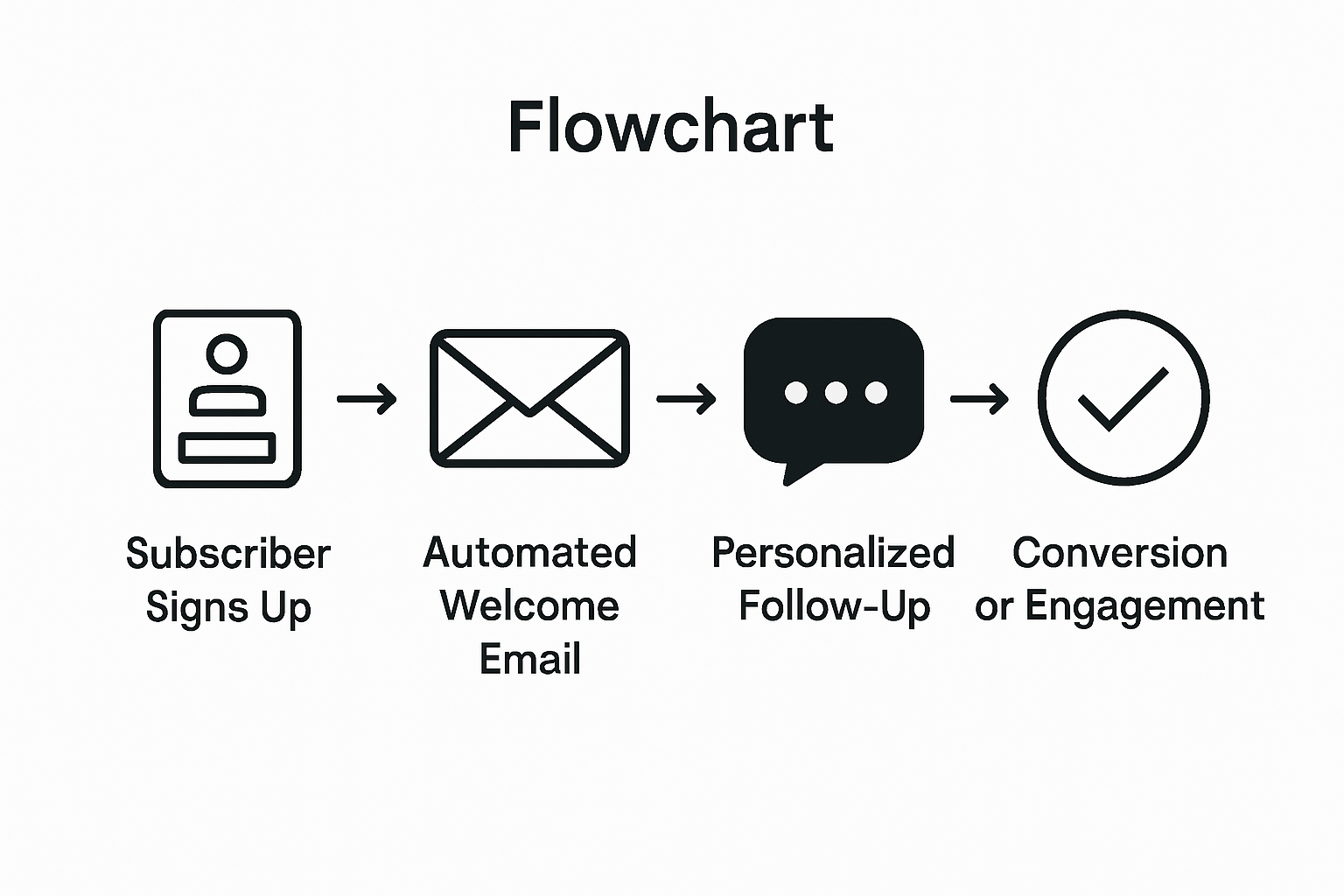
The psychological architecture of effective email sequences goes beyond mere information delivery. By integrating strategic message timing and precision-targeted content, marketers can create a communication experience that feels simultaneously personalised and professional. Successful sequences transform standard marketing communications into adaptive conversations, responding dynamically to individual user behaviours and preferences, ultimately fostering trust, demonstrating genuine value, and seamlessly guiding subscribers towards meaningful engagement.
Common Mistakes and How to Avoid Them
Email marketing campaigns often falter due to subtle yet critical missteps that can dramatically reduce their effectiveness. Common pitfalls in email sequences represent significant barriers to successful digital communication, requiring marketers to develop a nuanced understanding of strategic engagement techniques.
The most prevalent mistakes in email sequence design include:
- Overwhelming Frequency: Bombarding subscribers with excessive emails
- Generic Messaging: Failing to personalise content
- Unclear Objectives: Lacking specific calls to action
- Inconsistent Timing: Sending messages without strategic consideration
- Neglecting Segmentation: Treating all subscribers identically
- Poor Content Progression: Not building narrative momentum
Drip campaigns demand precision in message delivery and content sophistication. Marketers must meticulously craft sequences that anticipate subscriber needs, delivering contextually relevant information at precisely the right moment. The key is understanding that each email should serve a distinct purpose, moving recipients incrementally closer to their ultimate conversion goal.
Avoiding these common pitfalls requires a strategic approach centred on understanding subscriber behaviour. Successful email sequences are not about volume, but about creating meaningful interactions that feel personalised and purposeful. By carefully segmenting audiences, tailoring content to specific stages of the customer journey, and maintaining a balanced, thoughtful communication rhythm, marketers can transform potentially disengaging email campaigns into powerful tools for building lasting customer relationships.
Unlock the Power of Email Sequences with Practical Marketing Tools
The article highlights how mastering email sequences can transform your marketing by delivering personalised, timely messages that build trust and guide customers towards conversion. If you find yourself struggling with overwhelming frequency, generic messaging, or crafting strategic content progression for your email campaigns then you are not alone. The challenge is creating automated sequences that feel like genuine conversations rather than spam.
At Steve Pritchard Online, we understand these pain points and offer beginner-friendly digital products that make implementing effective email sequences achievable and stress-free. Explore our Marketing – Steve Pritchard Online category for marketing templates, lead-generation assets, and quick-start kits designed to save time and reduce overwhelm.
Start turning your email marketing struggles into success stories today. Visit Steve Pritchard Online now to access practical tools that help you automate communication, nurture leads, and grow your online income efficiently and confidently.
Frequently Asked Questions
What is an email sequence in marketing?
An email sequence is a series of automated, targeted messages sent to subscribers based on specific triggers or predefined conditions. It transforms standard email communication into a dynamic marketing tool aimed at nurturing relationships and driving specific actions.
How do automated email sequences drive engagement?
Automated email sequences deliver precisely timed and contextually relevant messages that resonate with subscribers. They maintain engagement by automatically responding to user interactions and providing tailored content that guides potential customers through their decision-making processes.
What are the key types of email sequences?
Key types of email sequences include onboarding sequences for new subscribers, lead nurturing sequences to guide potential customers, re-engagement sequences for inactive subscribers, abandoned cart sequences to recover lost sales, and educational sequences that provide valuable insights about a topic or product.
What common mistakes should be avoided in email sequences?
Common mistakes include overwhelming frequency of emails, generic messaging that lacks personalisation, unclear objectives with vague calls to action, inconsistent timing of messages, neglecting audience segmentation, and poor content progression that fails to build momentum.
Recommended
- Unleash Your Affiliate Superpowers with AI
- Products – AI-Powered Marketing Tools | Steve Pritchard Online
- PromoBlitz – AI-Powered Affiliate Content Generator | Steve Pritchard Online
- Sales Page – Steve Pritchard Online
- Understanding the Importance of Customer Communication – My WordPress
- Email Marketing Best Practices: Complete Guide
- Pursuitz – Complete Guide to Why Use Email Outreach