Most american businesses depend on strong visual communication, yet over 60 percent of consumers say they remember a brand better when it uses striking graphics. In a crowded digital world, grabbing attention is only half the battle. Knowing how to use promotional graphics can help brands share their message clearly, build recognition, and connect with customers. This guide clarifies what promotional graphics are and why they are a key tool for any american marketer.
Table of Contents
- What Are Promotional Graphics? Core Definition
- Key Benefits Of Using Graphics In Marketing
- Types Of Graphics For Promotions Explained
- How Automated Tools Simplify Graphic Creation
- Common Mistakes In Generating Promo Graphics
Key Takeaways
| Point | Details |
|---|---|
| Promotional Graphics Are Essential | These visuals are designed to capture attention and communicate product information effectively across various platforms. |
| Simplifying Information | Graphics help turn complex data into digestible formats, improving audience understanding and retention. |
| Automated Tools Enhance Creation | Automated graphic design tools streamline the graphic creation process, making it accessible even for non-designers. |
| Avoid Common Mistakes | Key pitfalls such as inconsistent branding and neglecting mobile optimization can undermine graphic effectiveness. |
What Are Promotional Graphics? Core Definition
Promotional graphics are strategic visual communication tools designed to capture audience attention and effectively convey product or service information. Promotional graphics are illustrative visuals created to highlight specific features and spark interest among potential customers, serving as critical marketing assets across multiple platforms.
These visual assets typically include a wide range of design elements such as posters, digital advertisements, social media graphics, landing page images, and marketing collateral. Graphic design plays a pivotal role in transforming complex product information into digestible, compelling visual narratives that resonate with target audiences. By leveraging color psychology, typography, imagery, and strategic layout, promotional graphics transform basic information into engaging visual stories that drive consumer engagement.
When crafting promotional graphics, marketers and designers focus on several key objectives:
- Attract Viewer Attention: Create visually striking designs that immediately draw the eye
- Communicate Key Messages: Distill product benefits into clear, concise visual representations
- Establish Brand Identity: Incorporate consistent color schemes, logos, and design elements
- Evoke Emotional Response: Use imagery and design techniques that connect with audience feelings
The ultimate goal of promotional graphics is to transform complex product information into visually compelling narratives that not only inform but also inspire potential customers to take action. Whether used in digital marketing, print advertising, or social media campaigns, these graphics serve as powerful communication tools that bridge the gap between product features and consumer desires.
Key Benefits of Using Graphics in Marketing
Marketing graphics have transformed how businesses communicate with their target audiences, offering powerful visual strategies that go far beyond simple aesthetic appeal. Effective graphic design provides a multifaceted approach to brand communication, enhancing recognition, professionalism, and audience engagement across multiple marketing channels.
One of the most significant advantages of incorporating graphics into marketing is their ability to simplify complex information and create immediate visual impact. Infographics and visual storytelling enable brands to break down intricate concepts into digestible, memorable visual narratives that capture audience attention more effectively than text-only content. By transforming data and messages into compelling visual formats, marketers can dramatically improve information retention and audience understanding.
The key benefits of using graphics in marketing include:
- Brand Recognition: Create consistent visual identities that make your brand instantly recognizable
- Information Simplification: Transform complex data into easy-to-understand visual representations
- Emotional Connection: Use imagery and design to evoke specific audience feelings and responses
- Increased Engagement: Develop graphics that encourage social sharing and interaction
- Professionalism: Demonstrate brand credibility through high-quality, thoughtful design
Moreover, strategic graphics can significantly impact marketing performance by driving consumer actions, increasing conversion rates, and providing a competitive edge in crowded digital marketplaces. Whether used in social media, email campaigns, landing pages, or traditional advertising, well-crafted graphics serve as powerful communication tools that transcend language barriers and connect with audiences on a more intuitive, emotional level.
Types of Graphics for Promotions Explained
Promotional graphics represent a diverse ecosystem of visual communication tools designed to capture audience attention and convey complex marketing messages across multiple platforms. Marketing collateral encompasses a wide range of graphic types, from traditional print materials to cutting-edge digital designs, each serving unique strategic purposes in brand communication and audience engagement.

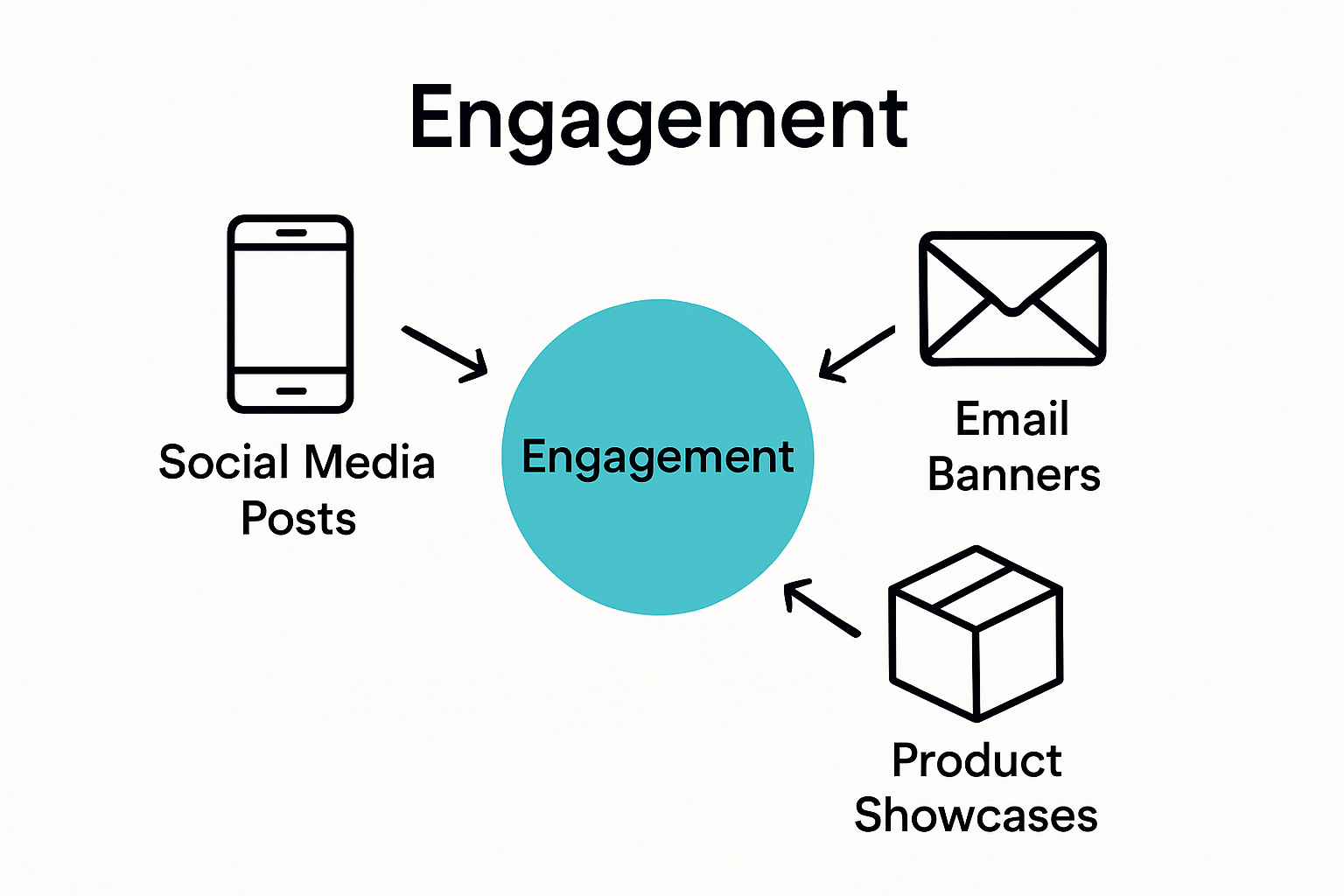
The digital marketing landscape has dramatically expanded the variety of promotional graphics available to marketers and businesses. Digital graphics now include social media visuals, infographics, landing page images, email marketing graphics, banner advertisements, and interactive visual content. See-through graphics have also emerged as innovative advertising solutions, offering creative ways to integrate brand messaging into physical and digital environments.
Key types of promotional graphics include:
- Social Media Graphics: Customized visuals for platforms like Instagram, Facebook, and Twitter
- Infographics: Data-driven visual representations of complex information
- Product Showcases: High-quality images and renderings highlighting product features
- Landing Page Graphics: Visuals designed to convert website visitors
- Email Marketing Images: Engaging graphics that enhance email campaign performance
- Digital Advertisements: Targeted visual ads for online platforms
Understanding the nuanced roles of different graphic types allows marketers to create strategic visual communication that resonates with target audiences. Each graphic format offers unique advantages, from capturing immediate attention to explaining complex concepts, making them essential tools in modern marketing strategies.
How Automated Tools Simplify Graphic Creation
The emergence of automated graphic design tools has revolutionized how marketers and entrepreneurs create promotional visuals, dramatically reducing the time and technical expertise previously required to produce high-quality graphics. These innovative solutions leverage artificial intelligence and machine learning to transform complex design processes into streamlined, user-friendly experiences that empower even non-designers to create professional-looking promotional materials.
Augmented reality technologies are pushing the boundaries of graphic creation, enabling more interactive and dynamic visual experiences that go beyond traditional static images. Modern automated tools now integrate advanced features like intelligent template suggestions, automatic color palette generation, and contextual design recommendations that adapt to specific marketing objectives and brand guidelines.
Key advantages of automated graphic creation tools include:
- Speed: Generate graphics in minutes instead of hours
- Consistency: Maintain uniform brand visual identity across multiple platforms
- Accessibility: Enable non-designers to create professional graphics
- Cost-Effectiveness: Eliminate expensive design agency fees
- Scalability: Quickly produce multiple graphic variations for different marketing channels
Supergraphics design principles have also influenced automated tool development, encouraging more dynamic and adaptive visual communication strategies. By combining AI-driven design intelligence with user-friendly interfaces, these tools are democratizing graphic design, allowing businesses of all sizes to produce compelling visual content that captures audience attention and drives engagement.
Common Mistakes in Generating Promo Graphics
Marketing professionals frequently encounter critical pitfalls when creating promotional graphics that can significantly undermine their marketing effectiveness. Poor graphic design choices can devastate brand perception, turning potential customer engagement into missed opportunities that directly impact business performance and revenue generation.
SEO optimization challenges represent another crucial area where marketers often stumble in graphic creation. Neglecting critical technical elements like image alt text, file naming conventions, and appropriate metadata can dramatically reduce content visibility and search engine rankings, effectively rendering even the most visually stunning graphics invisible to potential customers.
The most common mistakes in generating promotional graphics include:
- Inconsistent Branding: Using conflicting color schemes, fonts, or design elements
- Low-Quality Visuals: Utilizing pixelated, blurry, or unprofessional images
- Overcrowded Design: Cramming too much information into a single graphic
- Ignoring Target Audience: Creating graphics that don’t resonate with specific demographic groups
- Neglecting Mobile Optimization: Designing graphics that don’t adapt to different screen sizes
Successful promotional graphics require a delicate balance of creativity, technical precision, and strategic communication. By understanding and avoiding these common pitfalls, marketers can create visually compelling graphics that not only capture attention but also effectively communicate brand messages and drive meaningful audience engagement.
Simplify Your Promotional Graphics and Boost Your Affiliate Success
Creating eye-catching promotional graphics can be overwhelming. From inconsistent branding to overcrowded designs and slow manual processes, the challenges in translating your message into compelling visuals often cause frustration and lost marketing opportunities. This guide highlights the need for speed, consistency, and professional quality in promotional graphics to capture audience attention and drive engagement across platforms.
That is why PromoBlitz offers an AI-powered Chrome extension designed exactly to solve these pain points. With just one click, you can generate not only stunning graphics but also product summaries, email sequences, landing pages, and bonus ideas automatically. This means no more struggling with design tools or wasting hours trying to perfect your visuals. PromoBlitz helps you maintain consistent branding while saving precious time and reducing stress, especially if you want to scale your affiliate promotions across networks like WarriorPlus, ClickBank, JVZoo, and Digistore24.
Ready to turn complex graphic creation into a simple, automated process that fuels your marketing?

Explore how PromoBlitz can transform your promotional efforts right now. Visit PromoBlitz landing page and start creating professional, engaging promotional content effortlessly. Don’t let common design mistakes hold you back. Empower your affiliate campaigns with smart automation and watch your profits grow.
Frequently Asked Questions
What are promotional graphics?
Promotional graphics are strategic visual communication tools designed to capture audience attention and effectively convey product or service information through various formats such as posters, social media graphics, and digital advertisements.
Why are graphics important in marketing?
Graphics play a crucial role in marketing because they simplify complex information, enhance brand recognition, evoke emotional connections, and increase audience engagement, leading to improved customer retention and action.
What types of graphics can be used for promotions?
Common types of promotional graphics include social media graphics, infographics, product showcases, landing page images, email marketing visuals, and digital advertisements, each serving distinct purposes in engaging the audience.
How can automated tools help in graphic creation?
Automated graphic design tools simplify the design process by allowing even non-designers to create professional-looking visuals quickly, ensuring consistency across platforms, reducing costs, and scaling production easily.